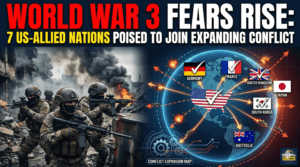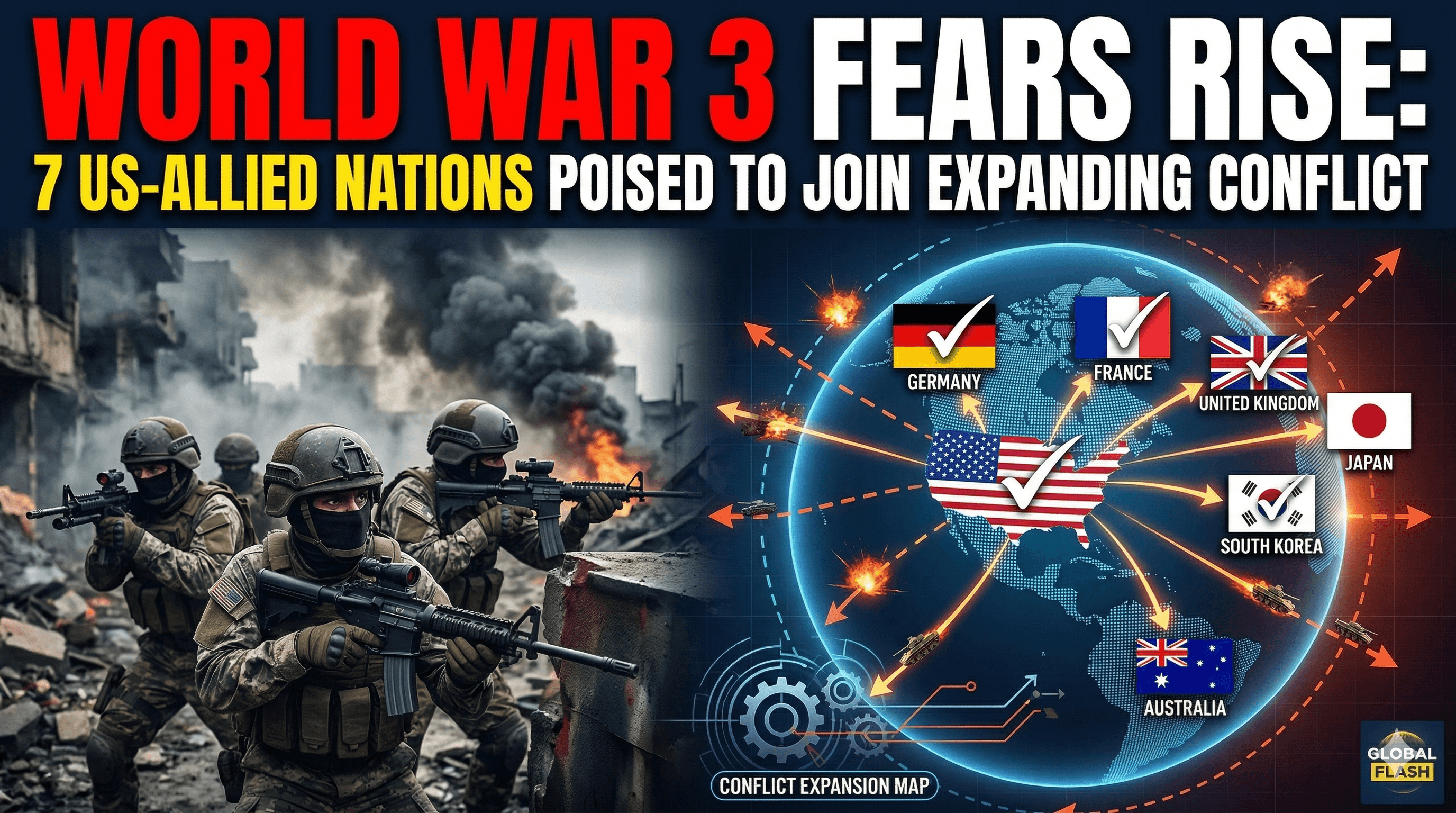
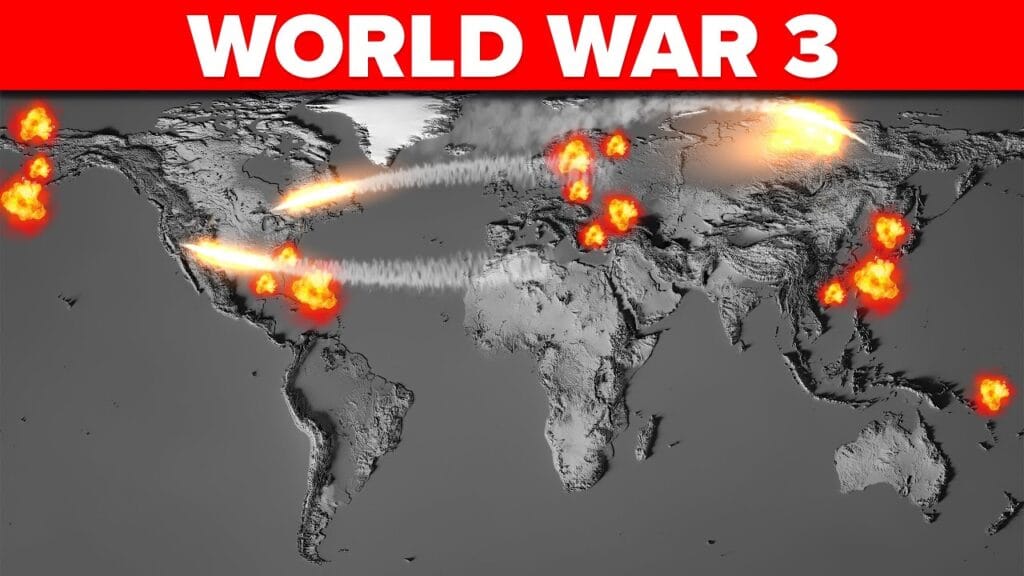
World War III Fears Rise: With the increasing tension in the Strait of Hormuz, Canada and other nations that are its allies have offered to assist in protecting the critical shipping route in the world. However, no strategy or action plan has been announced so far, and there are concerns about how this assistance will be provided.
✔ Why the Strait of Hormuz is so important
The Strait of Hormuz is one of the most critical chokepoints in the world. Around 20–25% of global oil supply passes through this narrow waterway between Iran and Oman.
- Major oil exporters like Saudi Arabia, Iraq, and UAE rely on it.
- If this route is blocked or attacked, global oil prices can spike instantly.
- It’s also vital for LNG (gas) shipments, especially to countries like India, China, and Japan.
👉 In simple terms: If Hormuz is disrupted, the world feels it within days.
✔ Canada and allies’ response to rising tensions
Countries aligned with the United States are closely monitoring the situation.
- Canada and other NATO partners may increase naval presence in the region.
- Intelligence sharing and joint military coordination are being strengthened.
- Diplomatic pressure is also being applied to avoid escalation.
However, most allies are cautious—they want to support stability without triggering a wider war.
✔ Why no clear plan has been announced yet
There are a few key reasons for this uncertainty:
- Avoiding panic: Governments don’t want to create fear in global markets.
- Diplomatic backchannels: Negotiations may be happening quietly behind the scenes.
- Strategic ambiguity: Keeping plans unclear can be a tactic to confuse opponents.
👉 In global conflicts, silence often means planning is still underway.
✔ Impact on global oil supply and trade
Any tension in the region directly affects global energy markets:
- Oil prices can rise sharply, increasing fuel costs in India and worldwide.
- Shipping insurance premiums go up → costlier imports/exports.
- Supply chain disruptions can affect industries like aviation, transport, and manufacturing.
For countries like India, this could mean:
- Expensive LPG cylinders
- Higher petrol/diesel prices
- Inflation pressure on everyday goods
✔ Could this lead to a bigger global conflict?
This is the biggest concern.
- If more countries get involved, it could turn into a multi-nation military confrontation.
- Proxy conflicts (indirect wars) could expand across regions.
- Any direct clash between major powers could escalate rapidly.
However, a full-scale world war is still not inevitable. Most global powers understand the risks and are trying to avoid direct confrontation.
FAQs
Our Popular Blogs:
Iranian Drones Strike U.S. Embassy in Riyadh — Fire, Damage Reported
मुख्य चुनाव आयुक्त (CEC) पर महाभियोग का नोटिस, विपक्ष ने लगाए पक्षपात के आरोप
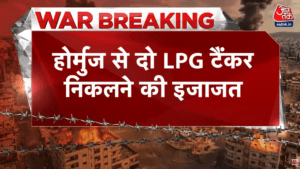
Breaking: Iran से बन गई बात! Strait of Hormuz से India के लिए रवाना हुए 2 Gas Tankers
Rajya Sabha Results 2026: उच्च सदन में बढ़ा मोदी का दम, 37 में से 22 सीटें जीतकर NDA ने INDIA गठबंधन को पछाड़ा
INDIA Win ICC Men’s T20 World Cup 2026
War Impact: भारत में LPG, Petrol-Diesel महंगे, आम जनता पर बढ़ा बोझ
Nur Khan Airbase Incident Explained — Missile Strikes Not Nuclear Blast
Iran Crisis Breakdown Supporters of Iran, U.S. Strategy & India’s Position
AI Summit बना सियासी अखाड़ा! कांग्रेस की रणनीति पर उठे सवाल
India–Russia Mega Deal: Passenger Jets to Be Built Under New Aviation Partnership
Imran Khan Health Scare Sparks Protests | इमरान खान की सेहत पर बवाल, समर्थक सड़कों पर
Galgotia University Controversy at AI Summit Delhi | दिल्ली AI समिट में गलगोटिया यूनिवर्सिटी विवाद
Big Relief for Universities: SC Stops 2026 UGC Equity Rules | सामान्य जाति को बड़ी राहत
India–Pakistan Border Tensions: Strategic Breakdown & Conflict Risk Analysis
#StraitOfHormuz #Canada #GlobalTensions #MiddleEastCrisis #OilSupply #Geopolitics #WorldNews