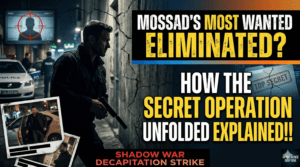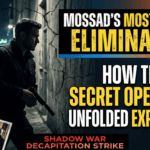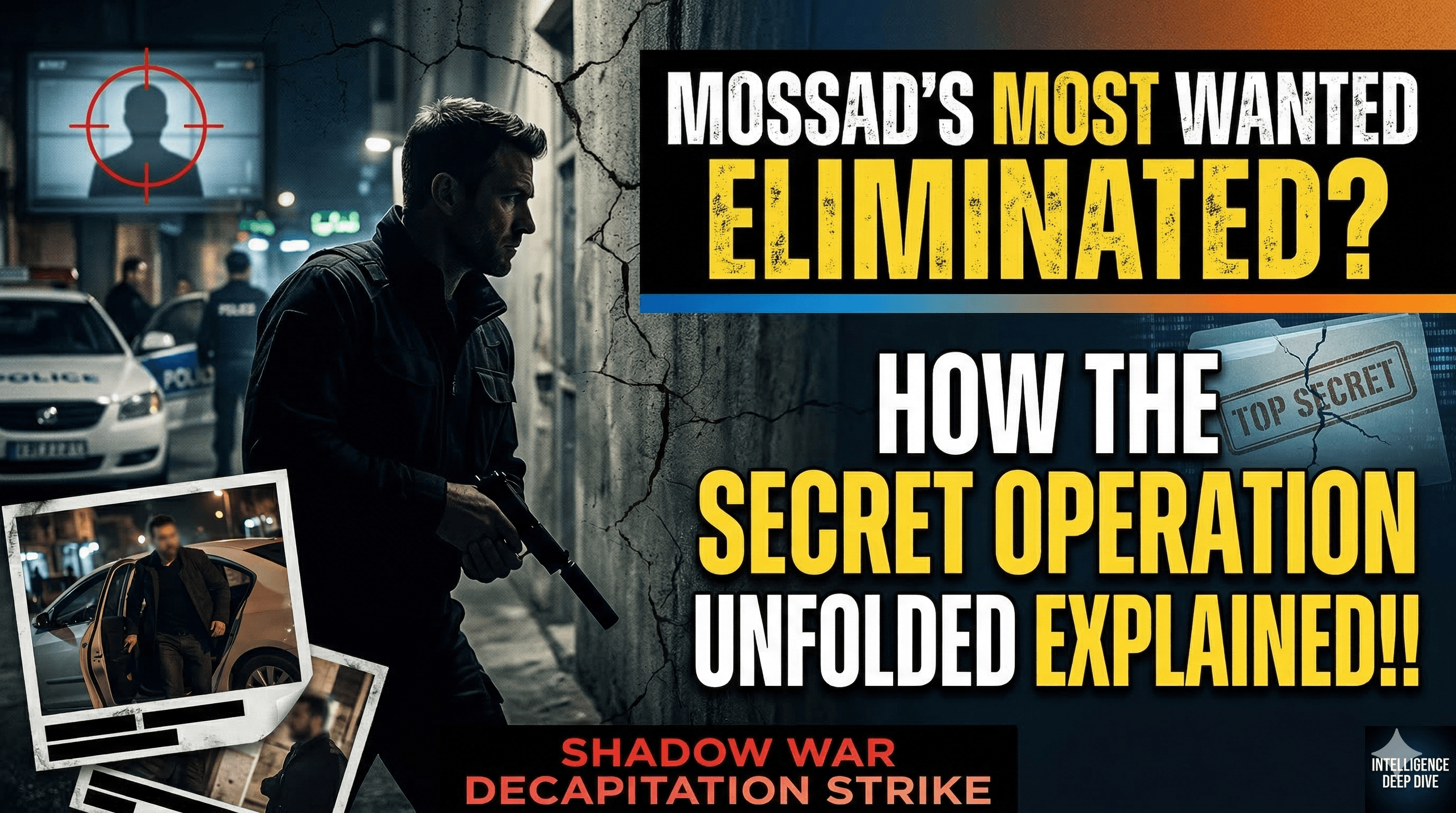
Mossad most Wanted: The situation in West Asia has reached the stage of what military experts are referring to as the “decapitation phase.” As of today, i.e., March 18, 2026, the Israeli Defense Forces (IDF) and Mossad operatives have successfully eliminated some of the highest-ranking officials in Iran through precision strikes.
1) Who the “most wanted” target was — and why they mattered
Recent reports suggest that one of the top targets was Esmail Khatib, Iran’s intelligence chief.
Why he was important:
- He led Iran’s intelligence and covert operations globally
- Oversaw cyber warfare, espionage, and internal security crackdowns
- Had links to Iran’s military networks and proxy groups (like Hezbollah)
- Allegedly involved in operations targeting foreign leaders and adversaries
According to recent news, he was reportedly killed in an Israeli strike, along with other senior figures.
👉 In simple terms:
He wasn’t just a bureaucrat — he was a key brain behind Iran’s security and covert strategy, making him a high-value target.
2) Possible role of Mossad in such operations
Mossad is widely believed to play a central role in these missions.
What Mossad is known for:
- Deep infiltration inside enemy countries
- Long-term spy networks and sleeper agents
- High-precision assassinations and sabotage missions
Real examples (based on past operations):
- Smuggling weapons and drone parts into Iran secretly
- Setting up covert drone bases inside Iran
- Deploying local agents and commandos to disable defenses
- Targeting missile systems, nuclear sites, and commanders
👉 This suggests Mossad likely:
- Provides intelligence (where the target is)
- Helps prepare the ground before strikes
- Sometimes even executes operations from inside enemy territory
3) How covert missions are planned and executed
These operations are not sudden — they take months or years.
Typical steps:
(1) Intelligence gathering
- Surveillance via satellites, cyber tools, and human spies
- Tracking movement of targets (like officials or scientists)
(2) Infiltration
- Agents enter the country (often as civilians)
- Weapons and tech are smuggled in piece-by-piece
(3) Pre-positioning
- Drones, explosives, or strike systems are placed near targets
- Safe houses and communication networks are set up
(4) Execution
- Can involve:
- Airstrikes
- Drone attacks
- Car bombs or precision weapons
- Often coordinated with military forces (like air force)
(5) Exit / deniability
- Operations are designed to leave minimal trace
- Countries often avoid officially confirming involvement
👉 Modern warfare = spy + tech + precision strike working together
4) Why Iran is facing increasing strategic pressure
Iran is under pressure from multiple directions at once:
(A) Military pressure
- Repeated strikes on:
- Missile systems
- Nuclear facilities
- Senior leaders
(B) Intelligence penetration
- Evidence of deep infiltration inside Iran
- Arrests of suspected spies show internal security gaps
(C) Global alliances shifting
- Israel backed by US and Western allies
- Iran relying on Russia and China support, but limited
(D) Economic and internal stress
- Sanctions + war impact
- Internal unrest and political instability
👉 Result: Iran is facing external attacks + internal vulnerabilities at the same time
5) What this means for the future of the Middle East conflict
This situation signals a major shift in warfare and regional stability:
1. Rise of “shadow war”
- More covert assassinations and sabotage
- Less traditional large-scale wars (but more dangerous unpredictability)
2. Leadership targeting will increase
- Key figures (scientists, generals, intelligence heads) will remain prime targets
3. Risk of escalation
- Iran may retaliate through:
- Missiles
- Proxy groups (Hezbollah, militias)
- Could trigger wider regional war
4. New warfare model
- Combination of:
- Cyber attacks
- Drones
- Espionage
- Precision strikes
👉 This is often called hybrid warfare
5. Global impact
- Oil supply disruptions (especially near Strait of Hormuz)
- Rising energy prices
- Increased global geopolitical tension
FAQs
Our Recent Blogs:
Iranian Drones Strike U.S. Embassy in Riyadh — Fire, Damage Reported
मुख्य चुनाव आयुक्त (CEC) पर महाभियोग का नोटिस, विपक्ष ने लगाए पक्षपात के आरोप
Breaking: Iran से बन गई बात! Strait of Hormuz से India के लिए रवाना हुए 2 Gas Tankers
Rajya Sabha Results 2026: उच्च सदन में बढ़ा मोदी का दम, 37 में से 22 सीटें जीतकर NDA ने INDIA गठबंधन को पछाड़ा
INDIA Win ICC Men’s T20 World Cup 2026
War Impact: भारत में LPG, Petrol-Diesel महंगे, आम जनता पर बढ़ा बोझ
Nur Khan Airbase Incident Explained — Missile Strikes Not Nuclear Blast
Iran Crisis Breakdown Supporters of Iran, U.S. Strategy & India’s Position
AI Summit बना सियासी अखाड़ा! कांग्रेस की रणनीति पर उठे सवाल
India–Russia Mega Deal: Passenger Jets to Be Built Under New Aviation Partnership
Imran Khan Health Scare Sparks Protests | इमरान खान की सेहत पर बवाल, समर्थक सड़कों पर
Galgotia University Controversy at AI Summit Delhi | दिल्ली AI समिट में गलगोटिया यूनिवर्सिटी विवाद
Big Relief for Universities: SC Stops 2026 UGC Equity Rules | सामान्य जाति को बड़ी राहत
India–Pakistan Border Tensions: Strategic Breakdown & Conflict Risk Analysis
#Mossad #IranIsrael #MiddleEastWar #CovertOperations #Geopolitics #WorldNews #BreakingNews