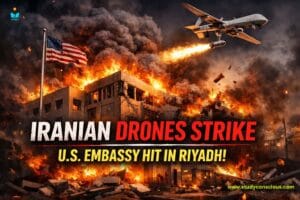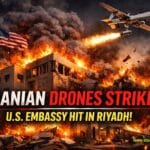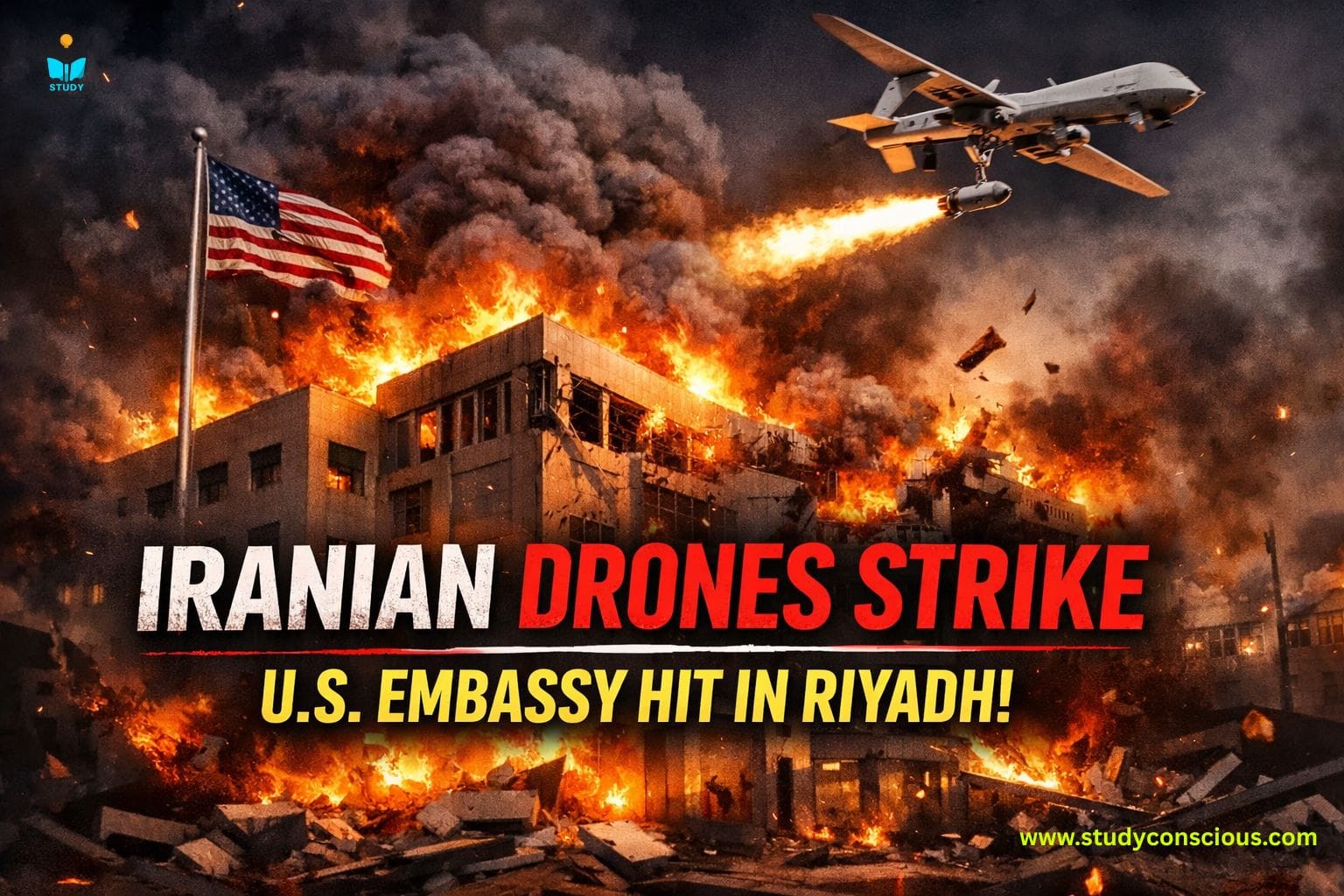
The United States has closed its embassy in Saudi Arabia and Kuwait following drone attacks, amid rising tensions in the Middle East. This decision was made as Iran struck back at U.S. assets in the region.
The U.S. government has issued an urgent advisory to American citizens, asking them to “depart immediately.” In addition, the U.S. government has ordered the departure of non-emergency personnel from six countries in the Gulf region.
Israeli Troops Operating in Lebanon
On the other side, the Israeli military has confirmed that its ground troops are currently operating within Lebanon, a neighboring country of Israel. In this regard, the Israeli authorities have noted that the troops will advance and seize more ground, all in the effort of fighting the Iran-supported Hezbollah militant group.
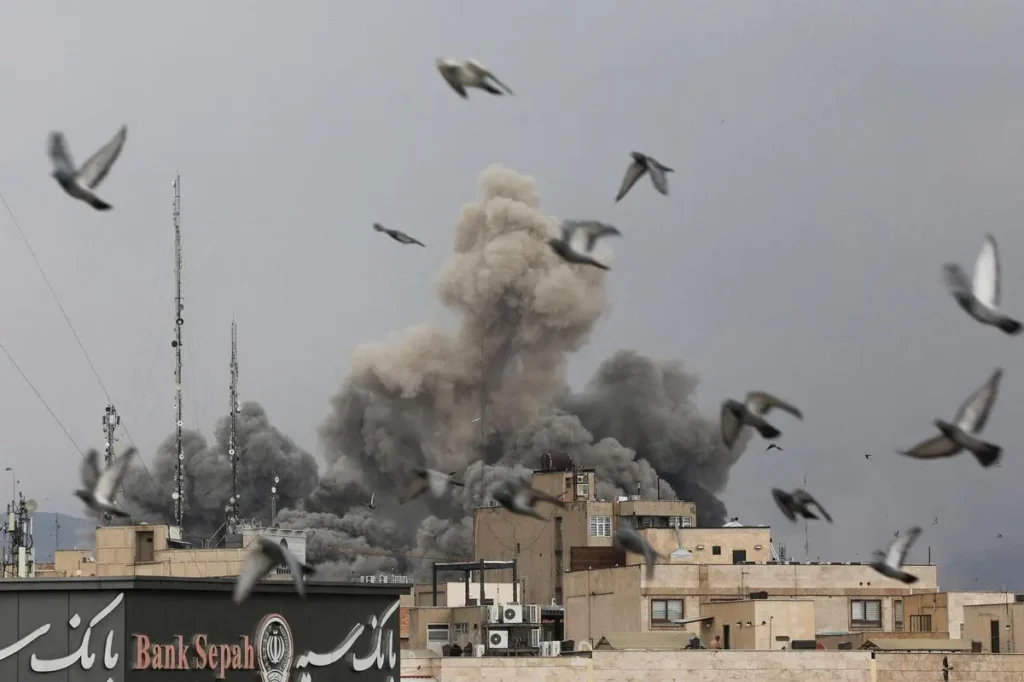
Israel has also launched new airstrikes against Beirut and Tehran, a move that has heightened tensions in the region.
🇺🇸 Impact on U.S.–Iran Relations and the Wider Middle East Conflict
The embassy strike — targeting U.S. diplomatic property — marks one of the most direct confrontations between Tehran and Washington in years. It reflects a significant deterioration in U.S.–Iran relations, shifting from proxy confrontations to overt retaliatory strikes that risk escalation.
The conflict has already drawn in regional actors:
- Israel: Expanding operations, including in Lebanon against Hezbollah, which is backed by Iran.
- Saudi Arabia and Kuwait: Diplomatic missions targeted and defensive measures activated.
The U.S. has shifted into a heightened security posture, closing embassies and issuing evacuation orders in more than a dozen countries — a rare and serious step in diplomatic practice that underscores how volatile the situation has become.
🌍 Regional Power Dynamics: Israel, Saudi Arabia, UAE & Global Powers
Israel
Israel is deeply involved, conducting its own strikes against Iranian positions and engaging with Iran-aligned forces such as Hezbollah in Lebanon. This broadens the theater of conflict beyond Gulf states into the Levant.
Saudi Arabia & UAE
Saudi Arabia has condemned the Iranian attacks and reinforced its air defenses — including intercepting multiple drones — while urging security among its population and diplomatic partners.
The UAE and other Gulf states are also on alert and have reported intercepting missiles and drones, showing how Iran’s retaliation has targeted multiple U.S. partners.
Global Powers
- United States: Focused on minimizing civilian harm while responding militarily and diplomatically.
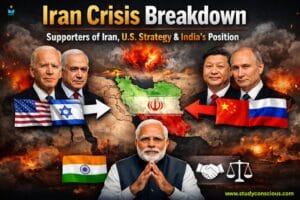
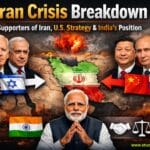
- Russia and China: Likely watching closely, with potential to back Tehran politically or strategically, which could further complicate the crisis.
The shifting alliances and military actions illustrate how the Middle East remains a complex power landscape where local conflicts can drag in outside powers and fuel broader geopolitical competition.
📉 Potential Consequences for Oil Markets, Security & Diplomacy
➡️ Global Oil Markets
One of the most immediate international impacts has been on energy markets. Attacks on Saudi facilities and threats to the Strait of Hormuz — through which about one-fifth of the world’s oil passes — have sparked concerns over supply disruptions and higher prices.
Even rumors of closure or instability in the Gulf energy chokepoint typically drive oil price volatility, affecting markets from Asia to Europe and raising costs for consumers globally.
➡️ Global Security
With U.S. embassies shut and diplomatic staff evacuated, the region is entering a phase of heightened insecurity. Airspace closures, evacuations, and military posturing increase risks of misunderstandings and broader clashes.
➡️ Diplomatic Fallout
The conflict has strained diplomatic relations and prompted emergency consultations among allies. Pressure is mounting on international bodies like the United Nations to seek de-escalation, even as combat continues.
🧠 Summary: What This Means
Diplomatic Strains: The closure of embassies and evacuation orders reflect how serious governments view the threat of spill-over violence.
Escalating Conflict: Iran’s direct attacks on U.S. diplomatic facilities demonstrate a dangerous escalation beyond previous proxy engagements.
Regional Power Plays: The involvement of Israel, Saudi Arabia, and Gulf Cooperation Council states highlights wider power dynamics rooted in long-standing rivalries and alliances.
Global Market Impacts: Energy supplies and global markets are already reacting to uncertainty — a trend likely to continue if tensions persist.
FAQ
Our Recent Blogs:
AI Summit बना सियासी अखाड़ा! कांग्रेस की रणनीति पर उठे सवाल
India–Russia Mega Deal: Passenger Jets to Be Built Under New Aviation Partnership
Imran Khan Health Scare Sparks Protests | इमरान खान की सेहत पर बवाल, समर्थक सड़कों पर
Galgotia University Controversy at AI Summit Delhi | दिल्ली AI समिट में गलगोटिया यूनिवर्सिटी विवाद
Big Relief for Universities: SC Stops 2026 UGC Equity Rules | सामान्य जाति को बड़ी राहत
India–Pakistan Border Tensions: Strategic Breakdown & Conflict Risk Analysis
Will Russia and China act as mediators on Kashmir? Learn about India’s likely response || क्या कश्मीर पर रूस-चीन बनेंगे ‘मीडिएटर’? जानिए भारत की संभावित प्रतिक्रिया
Ind vs Pak T20 World Cup 2026: India Hammer Pakistan by 61 Runs
https://studyconscious.com/sarvam-ai-explained-indias-chatgpt-like-ai/
BNP’s Big Victory in Bangladesh: PM Modi Talks to Tarique Rahman, Calls for Peace and Progress
PM Modi Inaugurates New PMO ‘Seva Teerth’, Begins Work with Big Policy Decisions
#Iran #USA #Israel #SaudiArabia #USEmbassy #Riyadh #DroneAttack #IranWar #MiddleEastConflict #Geopolitics #InternationalRelations #WorldNews #BreakingNews #GlobalPolitics #USIranWar #IranSaudiAttack #MiddleEastUpdate #StrategicAffairs #InternationalNews #IranRetaliation #GlobalSecurity #OilMarket #USForeignPolicy