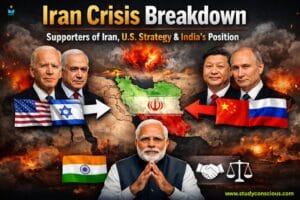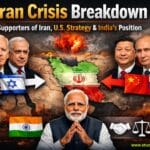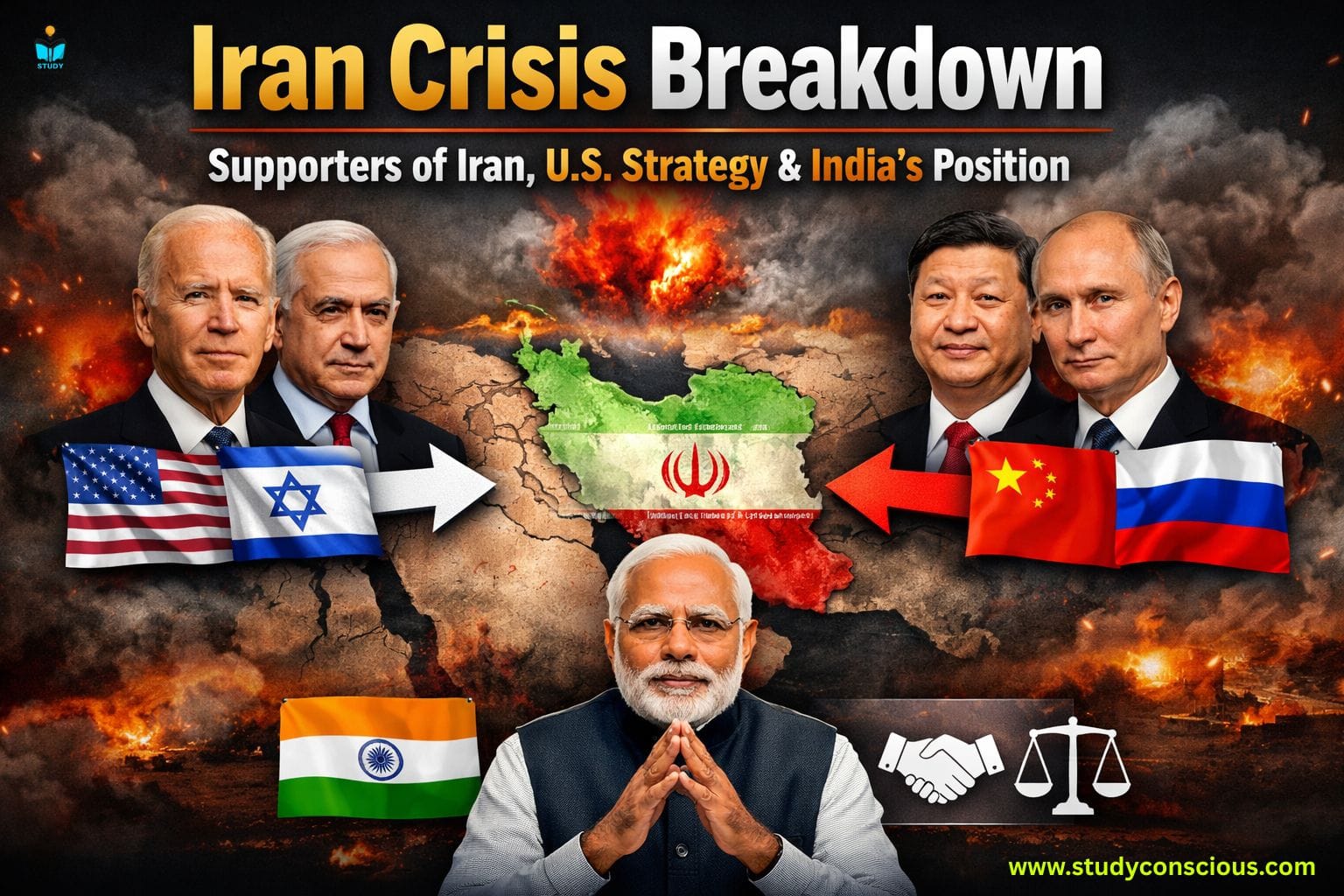
The Iran conflict has attracted sharp global reactions, with countries taking different diplomatic stances based on strategic and geopolitical interests. While some countries have strongly condemned the strikes on Iran and urged the need for dialogue, others have either supported the strikes on Iran or urged caution to avoid further escalation.
China has criticized the strikes on Iran and urged an immediate ceasefire. China has urged the need for diplomatic measures and regional stability. Russia has also condemned the strikes on Iran, with the country showing its support for the sovereignty of Iran. Russia has also urged caution to avoid further destabilization of the region.
Some Western countries, on the other hand, seem to be taking a cautious approach, focusing on the security threats while urging caution to avoid further escalation.
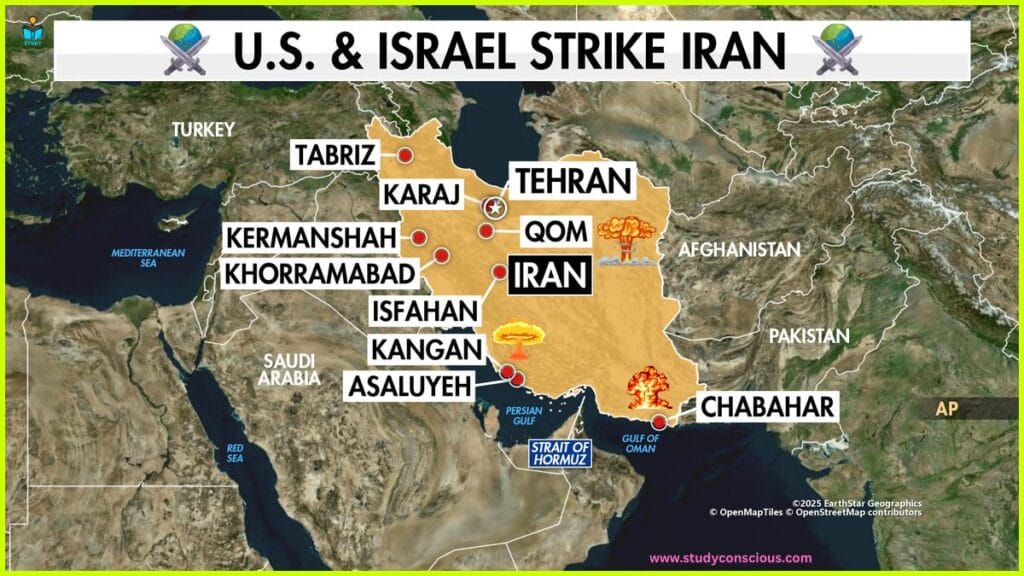
🌍 1. Which Countries Are Backing Iran Diplomatically
- Russia and China have condemned the U.S. and Israeli strikes on Iran, framing them as violations of international law and demanding de-escalation. They support Iran’s sovereignty and have criticised military action without UN approval.
- Some regional actors and non-state groups aligned with Tehran (e.g., certain militias or political movements in the Middle East) have expressed support for Iran’s responses and right to defend itself.
🇺🇸 2. Who Supports the U.S. and Its Allies
- United States and Israel are directly engaged against Iran and have backing from key Western allies.
- United Kingdom, France, and Germany have publicly supported defensive measures and coordination with the U.S., and condemned Iran’s attacks on neighbouring states and retaliation.
- Many Gulf Cooperation Council (GCC) countries such as UAE, Saudi Arabia, Kuwait and others have strongly denounced Iranian strikes on their territories and summoned Iranian ambassadors, aligning with U.S. and collective Gulf security concerns.
🤝 3. Neutral and Mediation Stances
- Several European Union (EU) nations and blocs have called for maximum restraint and greater respect for international law, emphasizing diplomacy over escalation.
- Some countries like Oman have sought to act as mediators, advocating peaceful resolution and warning against military escalation.
- Other nations maintain cautious or non-aligned positions, urging de-escalation without fully taking sides publicly.
🇮🇳 4. India’s Position and Strategic Balancing
India has emphasized restraint, diplomacy, and protection of civilians, urging all parties to avoid further escalation and respect sovereignty.
- India has not taken a firm pro-Iran or pro-U.S. position militarily but is focused on peace, stability, and safety of its citizens in the region.
- At the same time, India engages with Gulf partners like UAE and expresses concern over attacks affecting them, underlining its interests in regional peace.
- Operation Sindhu — India’s evacuation of its nationals from Iran during earlier conflict escalation — highlights its practical focus on citizen safety rather than military alignment.
🌐 5. What These Alignments Mean for Global Politics
Non-Aligned Diplomacy: Countries like India try to maintain strategic autonomy — balancing relations with major powers while prioritising national interests and regional stability, which could shape future multilateral diplomatic frameworks.
Deepening Divides: The conflict has highlighted a widening global geopolitical split — with Western powers and their allies on one side and China/Russia on the other — reminiscent of broader strategic rivalries.
Regional Security Reconfiguration: GCC states moving closer to coordinated defence responses changes Middle East security dynamics, potentially reducing Iran’s regional influence.
Pressure on International Law: Differences in how countries refer to international law and restraint reflect contrasting visions for the post-World War II order and rules on military action.
Energy and Trade Impact: Disruptions around vital routes like the Strait of Hormuz (if closure or military escalation continues) can affect global energy markets, impacting countries far beyond the Middle East including India.
Our Recent Blogs:
AI Summit बना सियासी अखाड़ा! कांग्रेस की रणनीति पर उठे सवाल
India–Russia Mega Deal: Passenger Jets to Be Built Under New Aviation Partnership
Imran Khan Health Scare Sparks Protests | इमरान खान की सेहत पर बवाल, समर्थक सड़कों पर
Galgotia University Controversy at AI Summit Delhi | दिल्ली AI समिट में गलगोटिया यूनिवर्सिटी विवाद
Big Relief for Universities: SC Stops 2026 UGC Equity Rules | सामान्य जाति को बड़ी राहत
India–Pakistan Border Tensions: Strategic Breakdown & Conflict Risk Analysis
Will Russia and China act as mediators on Kashmir? Learn about India’s likely response || क्या कश्मीर पर रूस-चीन बनेंगे ‘मीडिएटर’? जानिए भारत की संभावित प्रतिक्रिया
Ind vs Pak T20 World Cup 2026: India Hammer Pakistan by 61 Runs
https://studyconscious.com/sarvam-ai-explained-indias-chatgpt-like-ai/
BNP’s Big Victory in Bangladesh: PM Modi Talks to Tarique Rahman, Calls for Peace and Progress
PM Modi Inaugurates New PMO ‘Seva Teerth’, Begins Work with Big Policy Decisions
#IranConflict #Geopolitics #WorldPolitics #MiddleEast #India #GlobalAlliances #InternationalNews #Explained #US #Russia #China