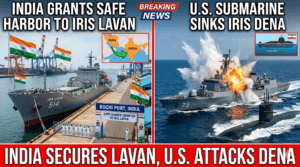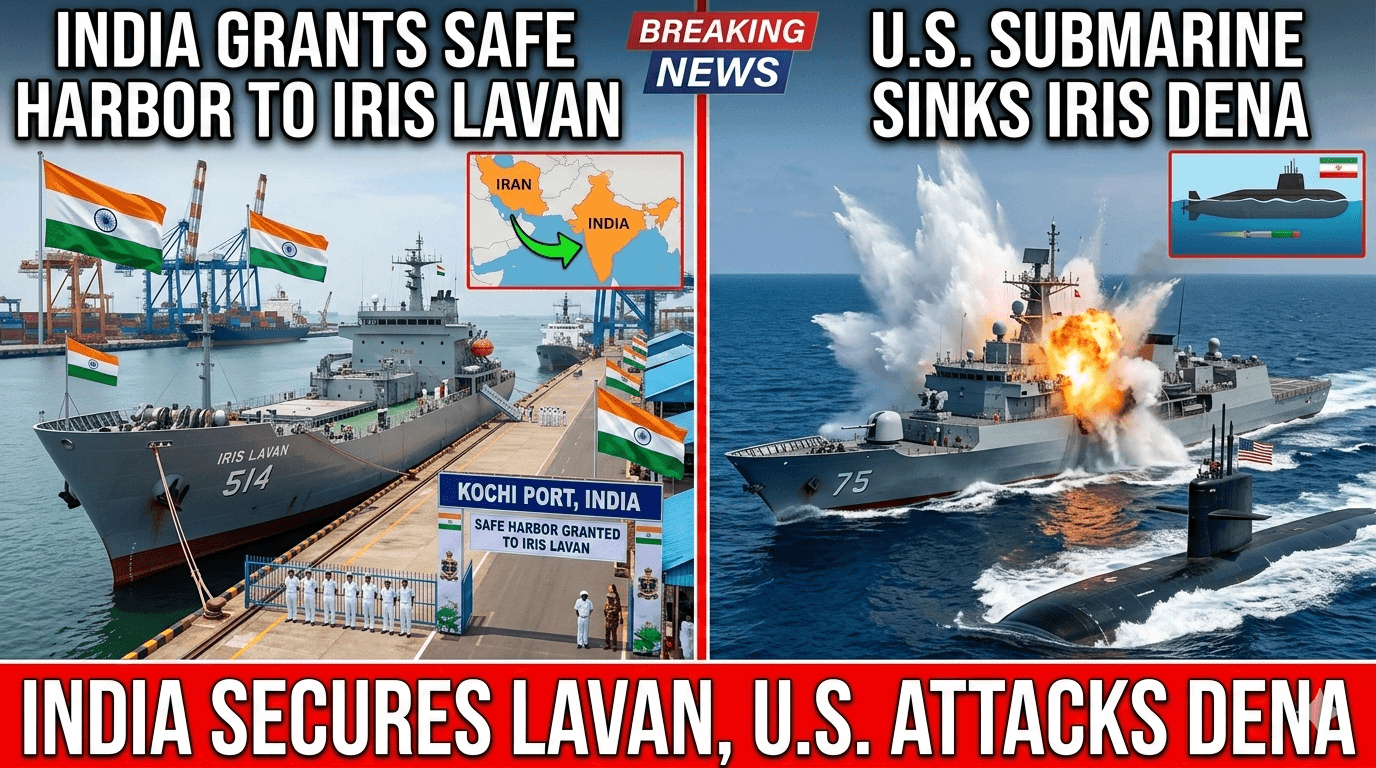
India has given permission for an Iranian warship to dock in Kochi as a humanitarian gesture, External Affairs Minister Subrahmanyam Jaishankar stated on Saturday. This comes amid escalating hostilities following the sinking of another Iranian warship by the United States in an area close to Sri Lanka.
The Iranian warship, known as IRIS Lavan, docked in India’s southern port city of Kochi on Wednesday following an urgent request from Iran, according to a government source. This happened on the same day that a U.S. submarine attacked an Iranian Navy frigate known as IRIS Dena in an area close to Sri Lanka.
The decision by India was described as a humanitarian gesture following reports of technical problems with the warship, which had requested emergency assistance.
Key Points:
- The Date: March 4, 2026
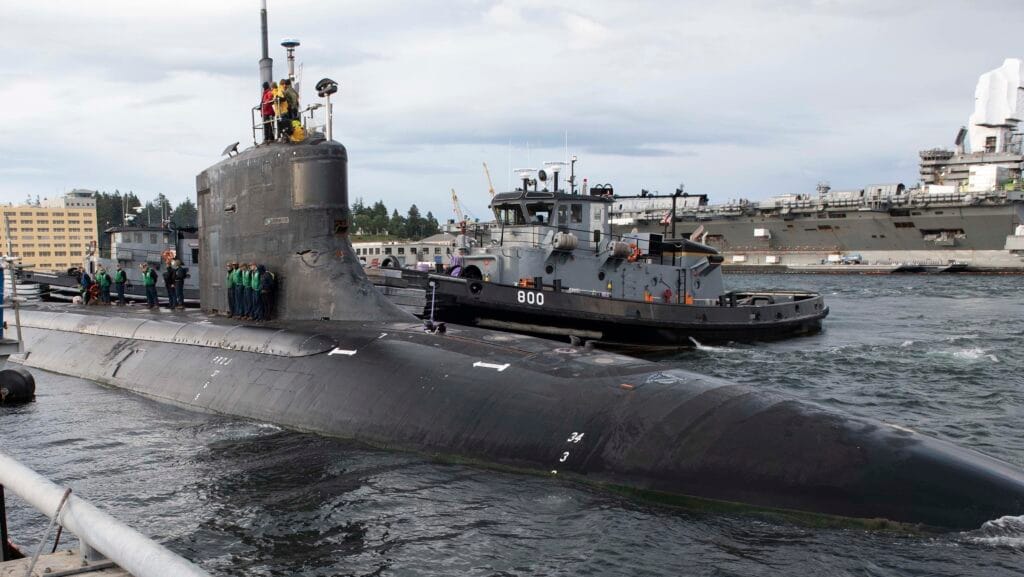
- The Contrast: India gave IRIS Lavan emergency docking in Kochi because of “technical issues” on the same day IRIS Dena was torpedoed by USS Charlotte off the coast of Sri Lanka.
- The Toll: 87 sailors were confirmed dead on the Dena, while 183 crew members are currently safe in Indian naval facilities.
- Geopolitics: This is the first time a US submarine has sunk an enemy vessel with a torpedo since WWII.
1. Background of the Iran War Situation
The current crisis began after U.S. and Israeli strikes on Iranian targets in late February 2026, triggering a wider confrontation across the Middle East. Iran responded with missile and drone attacks on several regional targets, expanding the conflict beyond the Gulf.
At sea, the conflict reached the Indian Ocean region when a U.S. submarine torpedoed the Iranian frigate IRIS Dena near Sri Lanka, killing dozens of sailors.
This incident is significant because it:
- Brought the war close to South Asian waters
- Raised tensions in India’s strategic maritime neighbourhood
- Showed that the conflict is no longer limited to the Middle East.
2. Why Iran Welcomed an Indian Warship / Docking in India
Iran requested India to allow another ship, IRIS Lavan, to dock at Kochi because the vessel reportedly had technical problems and needed emergency assistance.
India approved the request and allowed the ship to dock with 183 crew members, calling it a humanitarian decision.
From Iran’s perspective, India was a safe option because:
- India maintains neutral diplomatic relations with Iran and the U.S.
- Indian ports are secure and politically stable
- It prevented the ship from being vulnerable in open waters during the war.
3. India’s Strategic Interests in the Middle East
India has several major interests in the region:
Energy Security
- Around 60% of India’s oil imports come from the Middle East.
- Stability in the region directly affects India’s economy and fuel prices.
Trade and Shipping Routes
- The Indian Ocean and Persian Gulf are crucial for global shipping.
- Any conflict threatens sea lanes used by Indian trade.
Diaspora and Security
- Millions of Indian workers live in Gulf countries.
- India must maintain relations with all sides to protect its citizens.
4. Possible Reaction of the United States
The United States may react cautiously rather than aggressively.
Possible responses include:
- Diplomatic pressure on India
- Intelligence monitoring of the Iranian ship
- Coordination with allies in the region.
However, the U.S. also sees India as a key strategic partner in the Indo-Pacific, so a direct confrontation is unlikely.
5. Impact on Global Geopolitics
This situation highlights several major global trends:
Multipolar World
Countries like India are trying to balance relations with competing powers rather than choosing sides.
Expansion of the Conflict Zone
The war has moved from the Middle East to the Indian Ocean region, involving new countries.
Naval Warfare Returning
The sinking of a warship by submarine is a rare event in modern geopolitics and signals a dangerous escalation at sea.
6. India’s Maritime and Diplomatic Strategy
India is following a strategy of strategic neutrality.
Key elements include:
- Providing humanitarian assistance without joining the conflict
- Protecting Indian Ocean stability
- Avoiding alignment with either the U.S. or Iran.
This approach allows India to maintain relations with both Western powers and Middle Eastern states.
7. Future Implications for International Relations
The incident may have several long-term consequences:
1. Increased militarization of the Indian Ocean
More naval patrols and strategic competition.
2. Stronger role for India in global diplomacy
India could act as a mediator or stabilizing power.
3. Rising geopolitical competition
Major powers may compete for influence in South Asia and the Middle East.
Our Recent Blogs:
Iranian Drones Strike U.S. Embassy in Riyadh — Fire, Damage Reported
War Impact: भारत में LPG, Petrol-Diesel महंगे, आम जनता पर बढ़ा बोझ
Nur Khan Airbase Incident Explained — Missile Strikes Not Nuclear Blast
Iran Crisis Breakdown Supporters of Iran, U.S. Strategy & India’s Position
AI Summit बना सियासी अखाड़ा! कांग्रेस की रणनीति पर उठे सवाल
India–Russia Mega Deal: Passenger Jets to Be Built Under New Aviation Partnership
Imran Khan Health Scare Sparks Protests | इमरान खान की सेहत पर बवाल, समर्थक सड़कों पर
Galgotia University Controversy at AI Summit Delhi | दिल्ली AI समिट में गलगोटिया यूनिवर्सिटी विवाद
Big Relief for Universities: SC Stops 2026 UGC Equity Rules | सामान्य जाति को बड़ी राहत
India–Pakistan Border Tensions: Strategic Breakdown & Conflict Risk Analysis
Will Russia and China act as mediators on Kashmir? Learn about India’s likely response || क्या कश्मीर पर रूस-चीन बनेंगे ‘मीडिएटर’? जानिए भारत की संभावित प्रतिक्रिया
Ind vs Pak T20 World Cup 2026: India Hammer Pakistan by 61 Runs
https://studyconscious.com/sarvam-ai-explained-indias-chatgpt-like-ai/
BNP’s Big Victory in Bangladesh: PM Modi Talks to Tarique Rahman, Calls for Peace and Progress
PM Modi Inaugurates New PMO ‘Seva Teerth’, Begins Work with Big Policy Decisions
#IranWar #IndiaIranRelations #GlobalPolitics #InternationalRelations #CurrentAffairs #Geopolitics #IndiaForeignPolicy #MiddleEastPolitics #WorldPolitics